The Chapel of Bones
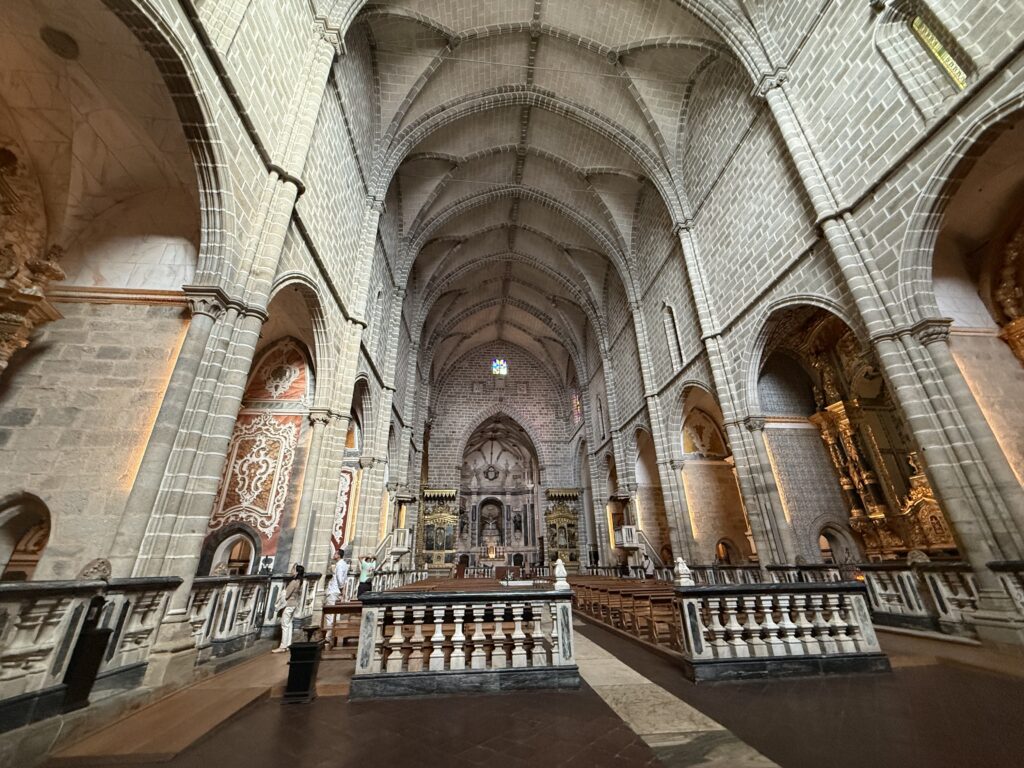
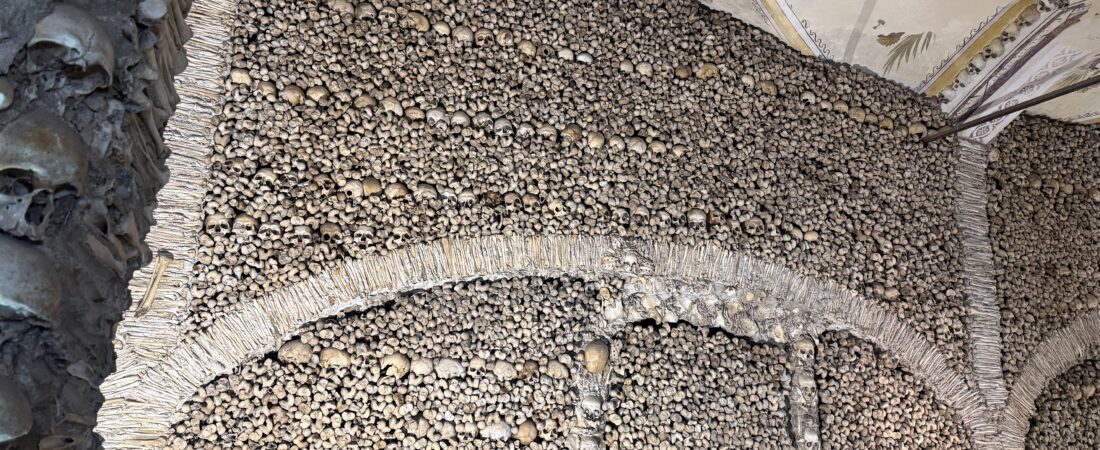
Our main reason for visiting Évora was the famous Chapel of Bones (Capela dos Ossos), located within the Church of São Francisco.
The chapel is lined with human skulls and bones, making it one of the more unusual places we’ve visited in Portugal. It’s both fascinating and a little creepy.
“It began as a place dedicated to the worship of the Holy Souls in Purgatory…appealing to the reflection on the transience of life and the consequent commitment to a Christian life that makes possible the passage to the Kingdom of Heaven. It remembers that the universal human condition is inseparable from the certainty of death, but that, on the other hand, only by dying does one live for eternal life. Thus, it is hoped that this will serve as a consolation to some and a warning to others.”
“Remember, o man, that you are dust, and to dust you shall return.”
The Church of São Francisco itself dates to the 16th century and is impressive in its own right.
Nativity Scenes From Around the World
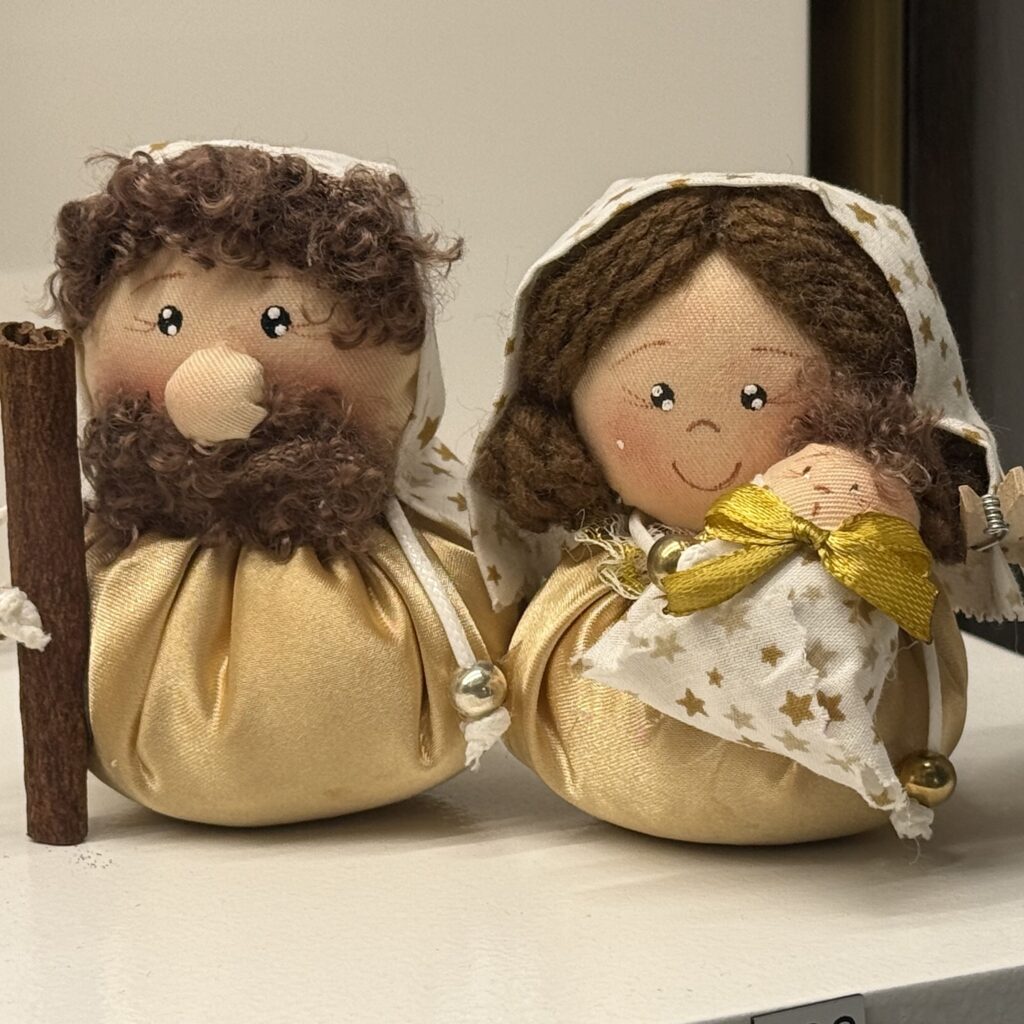
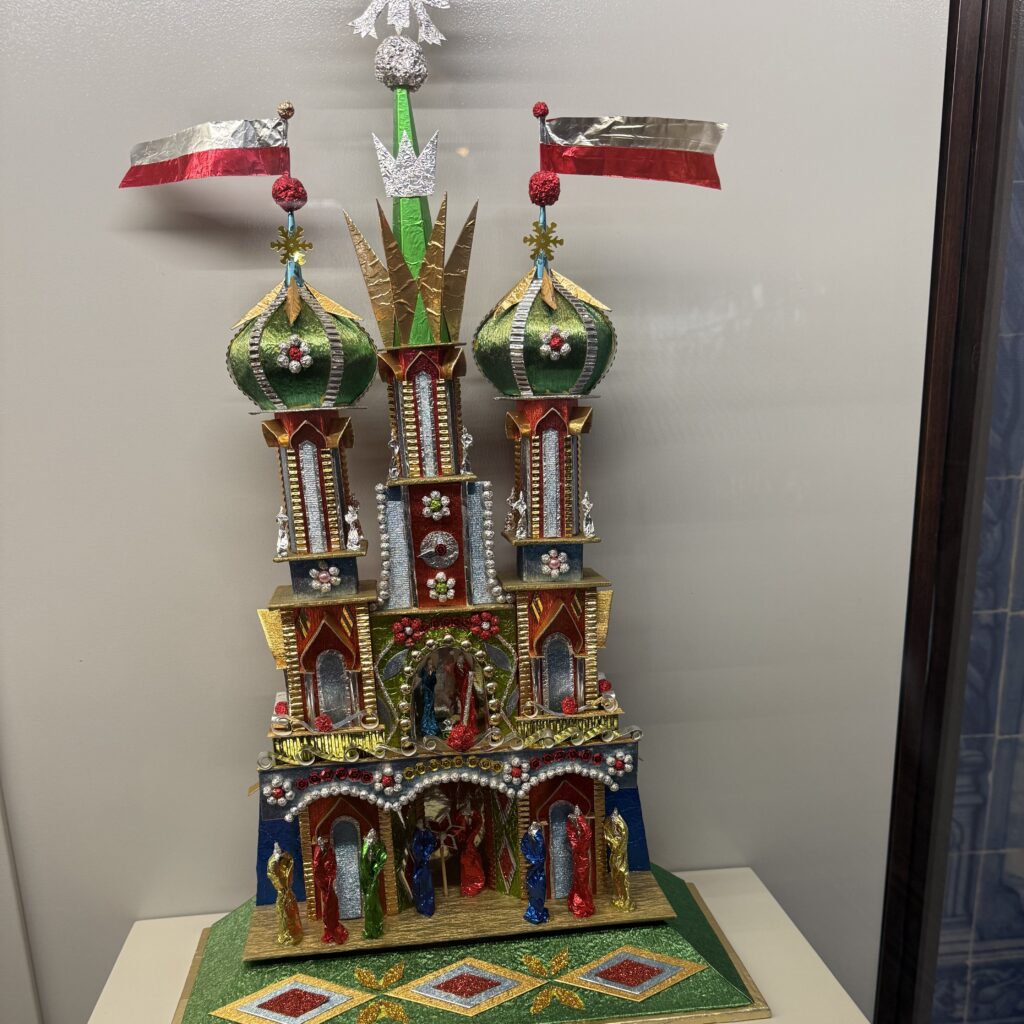
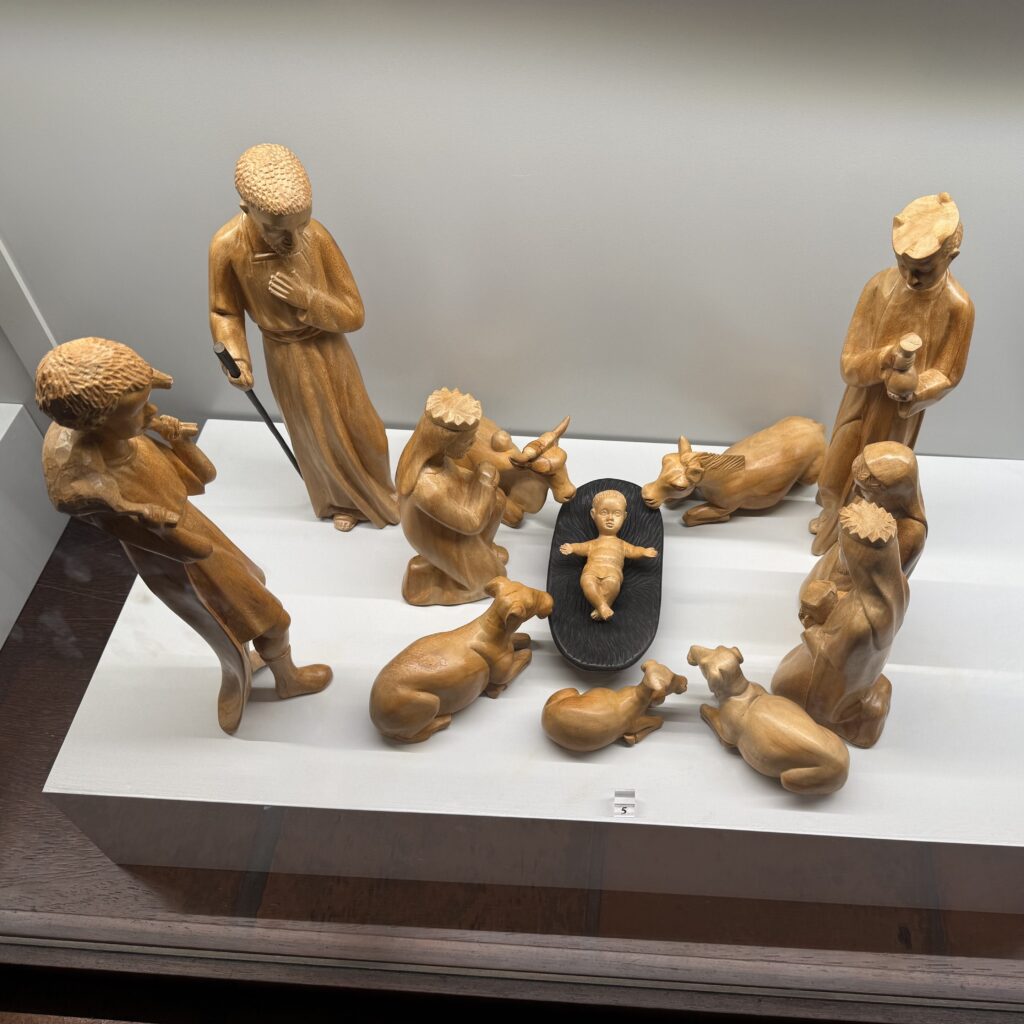
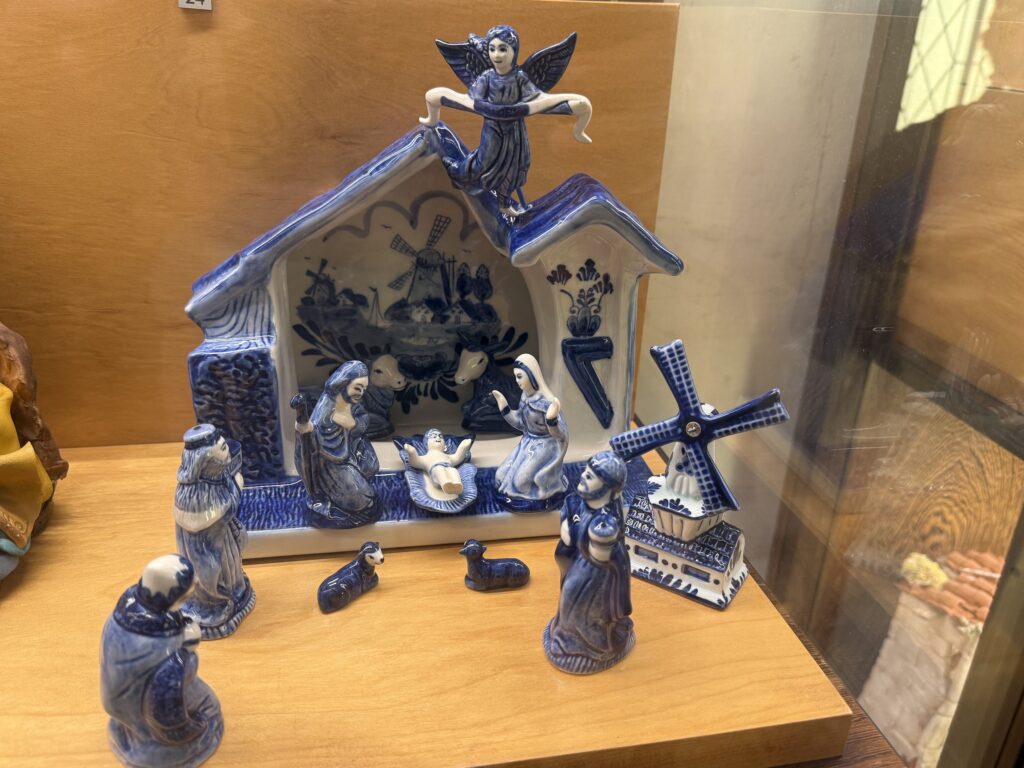
Another unexpected discovery was an exhibit featuring approximately 200 nativity scenes from around the world.
It was interesting to see how different cultures interpret the same religious story through their own artistic traditions.
Decklan was particularly (suprisingly) interested in this exhibit. We had favorites from Norway, Portugal and Africa.
Roman Ruins in Évora
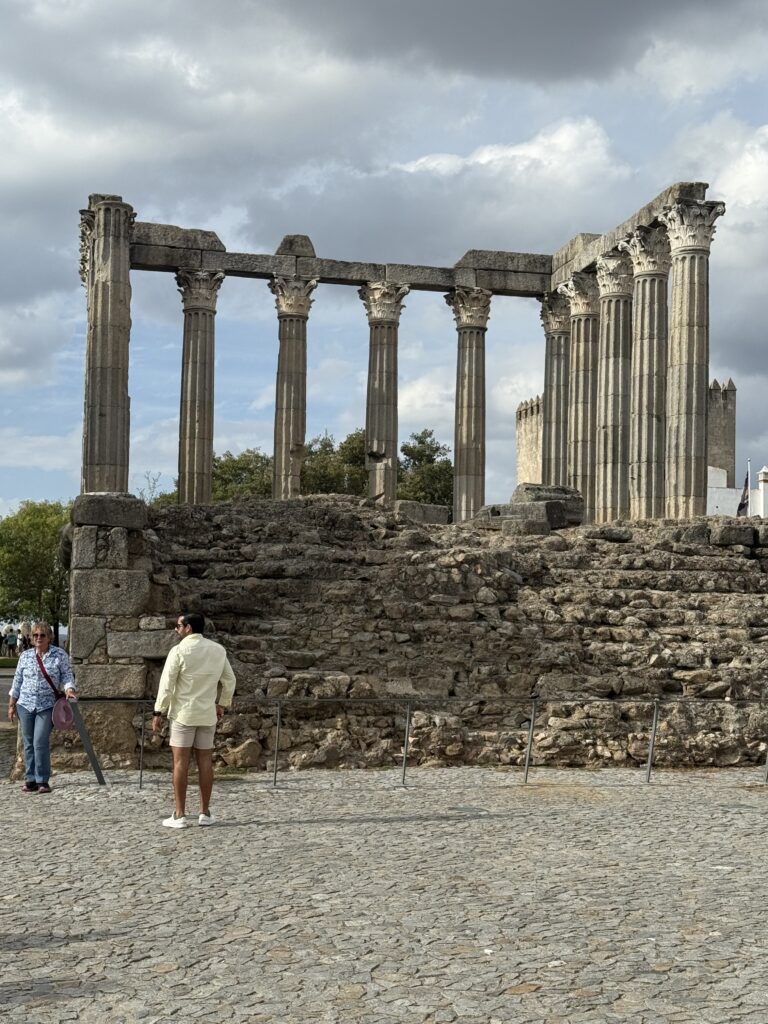
We also explored Évora’s Roman Temple, which dates back to around the first century AD.
For Decklan, this was especially memorable because it was the oldest thing he’d ever seen.
The Drive Through Alentejo
We passed field after field of olive trees, almond trees and grapevines, a reminder of how important agriculture and wine production are to this part of Portugal.
It also made us think that next time, we should plan to stop at a winery or two along the way. But, it was Monday of a holiday, so most of them were closed.
Évora ended up being much more interesting than we anticipated. What started as a quick stop to see the Chapel of Bones turned into a day exploring Roman history, religious art and the agricultural landscape of Alentejo.
But, we of course made time for gelato.